
Araku Valley – Where Nature and Life Move Slowly
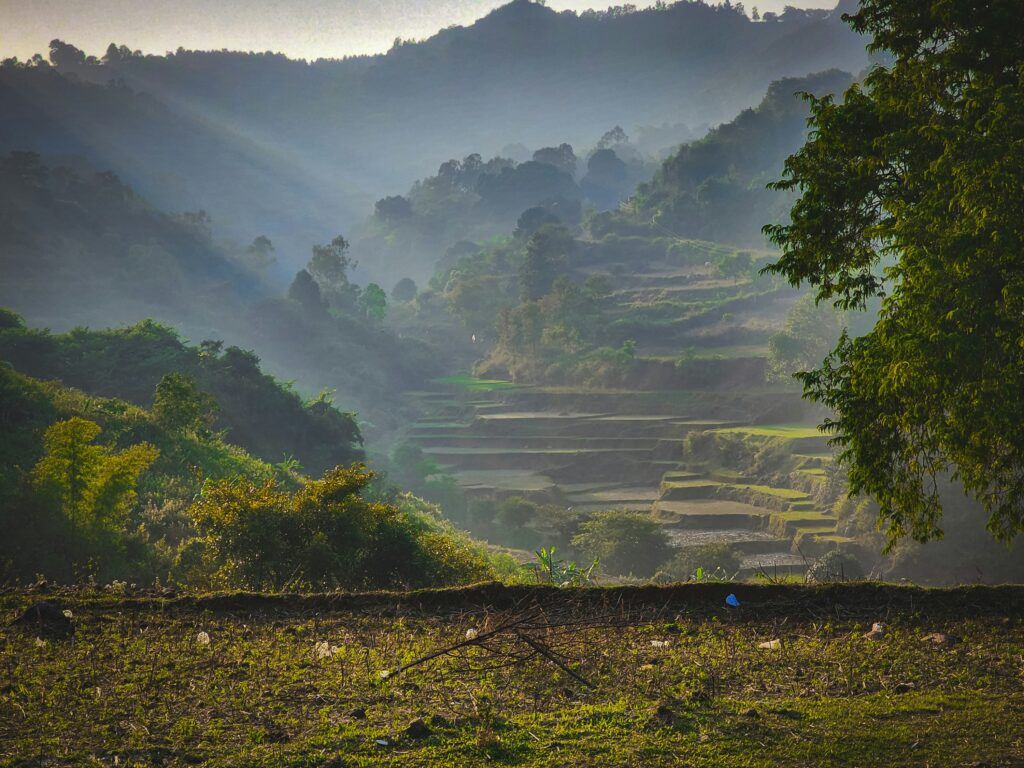
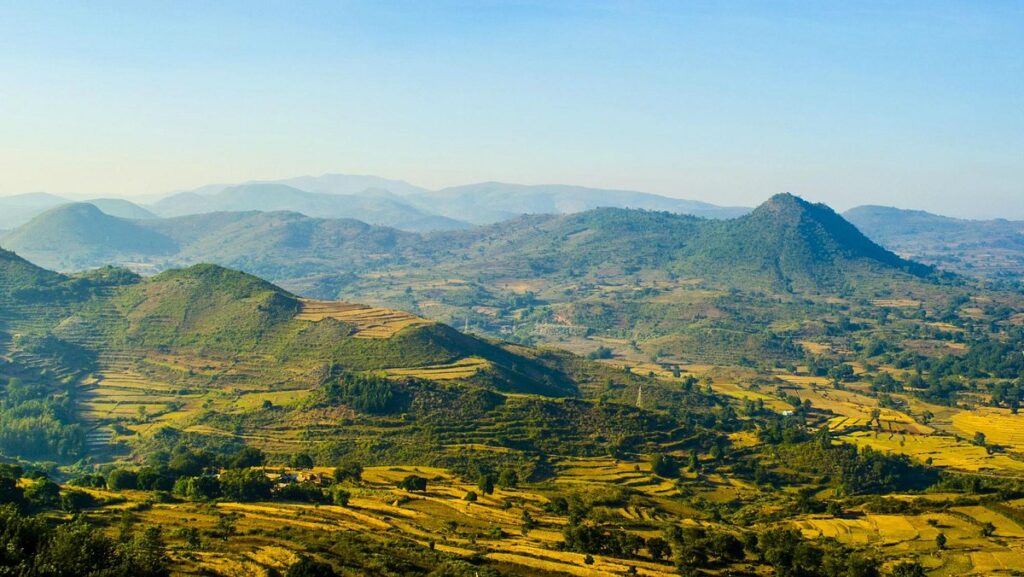
Araku Valley unfolds at a rhythm that feels intentionally unhurried. Mornings arrive softly, wrapped in mist that drifts across coffee gardens and settles briefly on tiled rooftops. The air carries earthy aromas — damp soil, leaves, and roasted coffee — creating a sensory calm that signals a different relationship with time.
Life here is not driven by speed or deadlines. Instead, days are shaped by sunlight, weather, and human connection. A short walk becomes a pause, a cup of coffee turns into a conversation, and silence feels meaningful. Araku encourages people to slow down not as an escape, but as a return to mindful living.
What Makes Araku Valley Different from Other Hill Stations
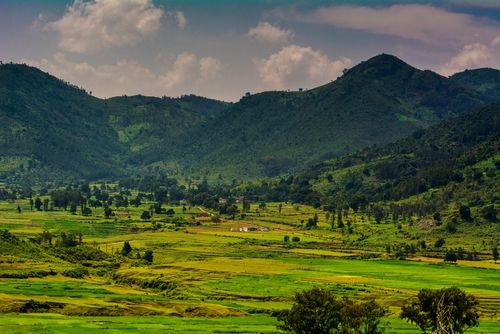
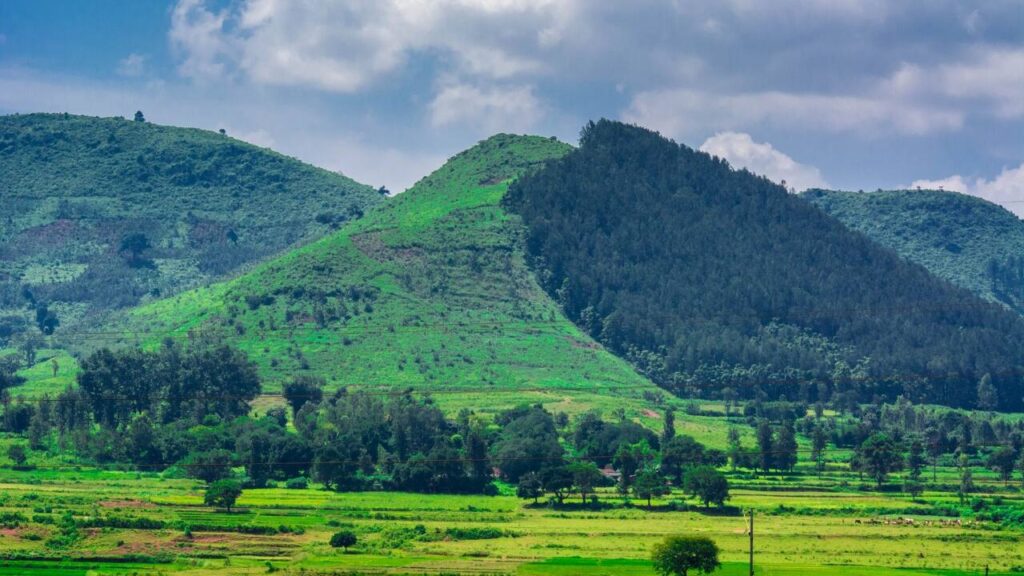
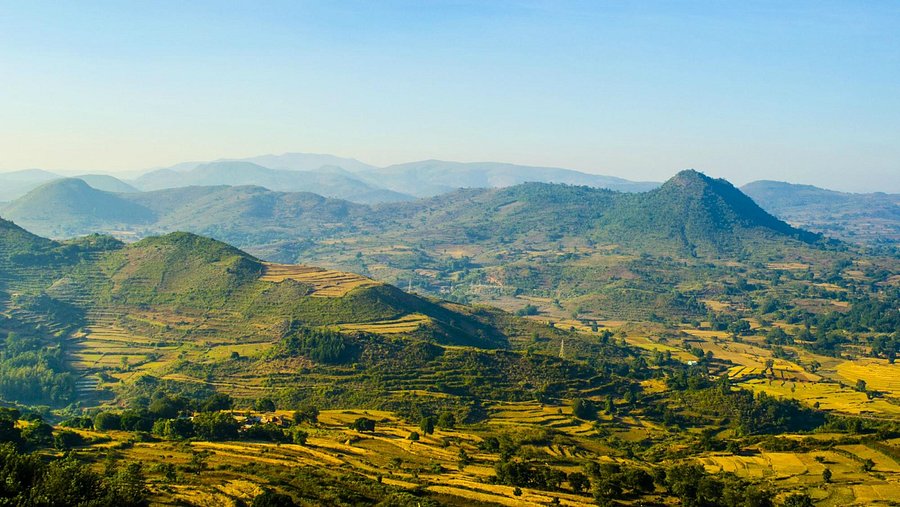
Unlike many hill stations developed mainly for tourism, Araku’s identity is rooted in everyday rural life. Agriculture, forest-based livelihoods, and community traditions exist naturally alongside tourism rather than being replaced by it. Visitors experience a working landscape, not a curated attraction.
Development in Araku has grown organically and sustainably. Villages, farms, and local markets evolved together, preserving balance. Even the scenic train journey into the valley reflects this harmony, gradually easing travelers into a space where nature, culture, and livelihood remain deeply connected.
Natural Landscape of Araku Valley in the Eastern Ghats
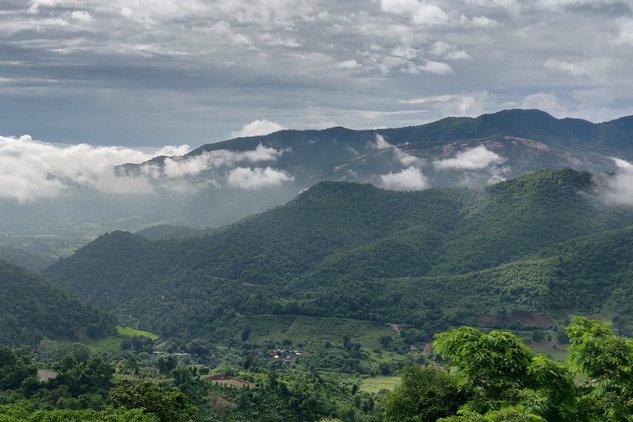
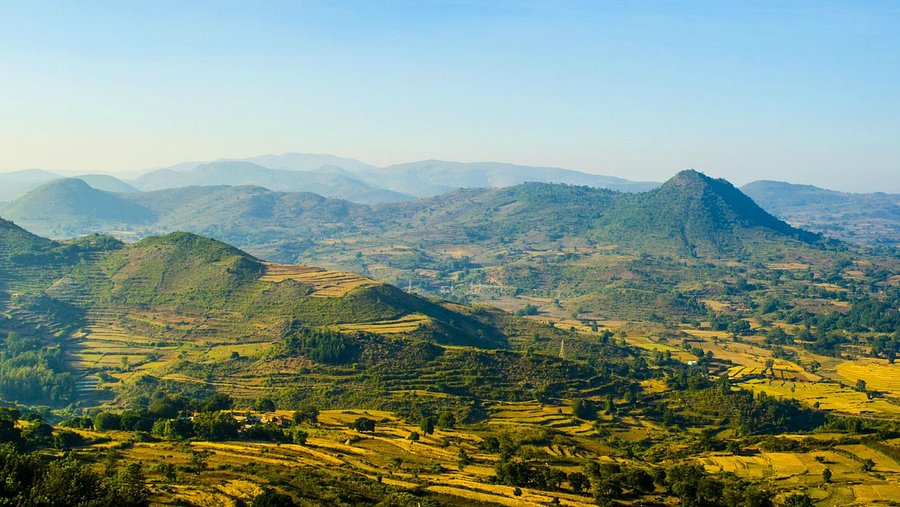
Araku’s terrain is shaped by the rolling hills of the Eastern Ghats, forming gentle valleys and elevated plateaus. These natural formations influence rainfall, soil richness, and temperature, creating conditions suitable for farming and forest growth.
Over generations, communities adapted by carving terraced fields into the hillsides. These terraces reduce erosion and conserve water, allowing cultivation on slopes that would otherwise be unworkable. The result is a landscape that represents cooperation between nature and human wisdom.
Coffee Growing as a Way of Life
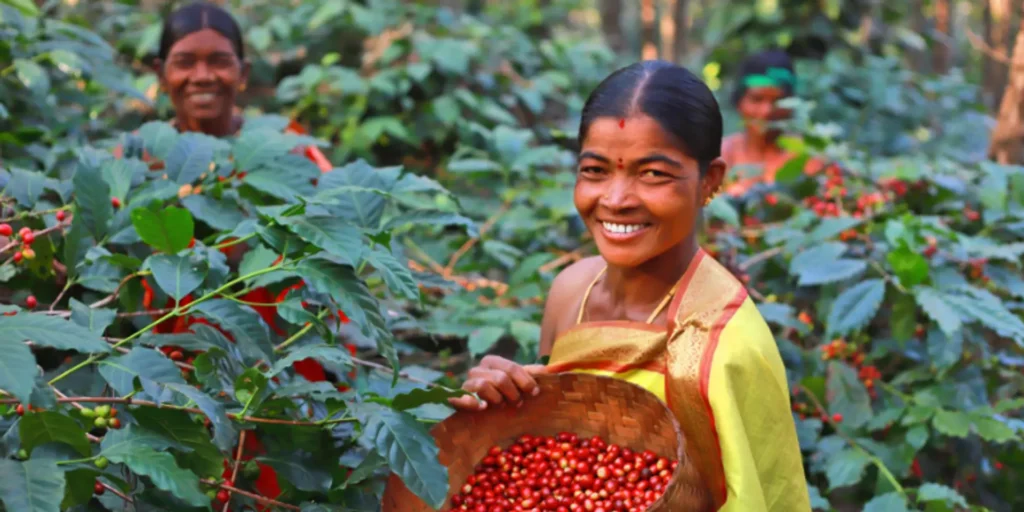
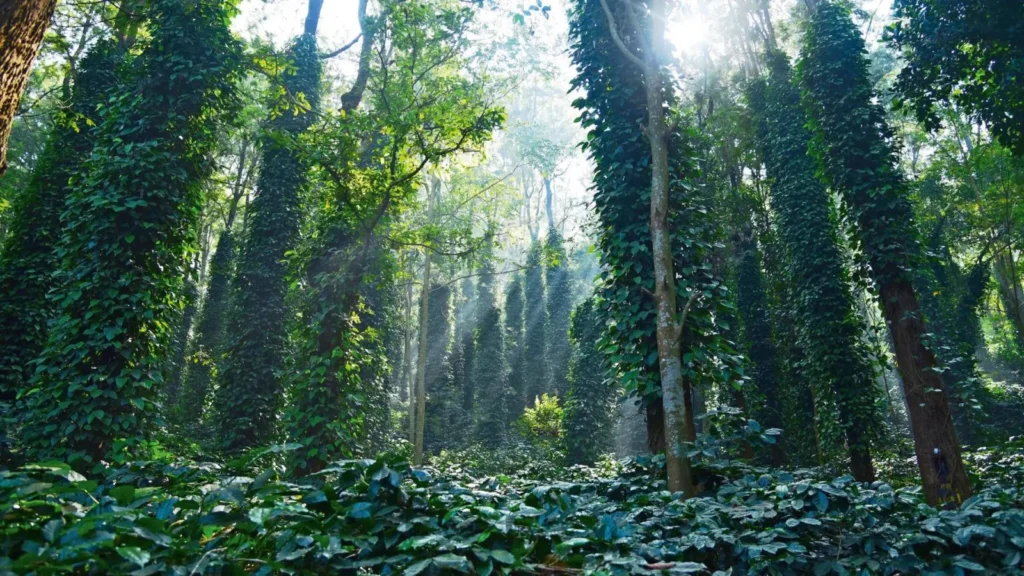
In Araku, coffee cultivation is deeply personal and community-driven. Families grow coffee under shade trees, harvest beans by hand, and often process them locally. Each step reflects patience, skill, and inherited knowledge rather than industrial speed.
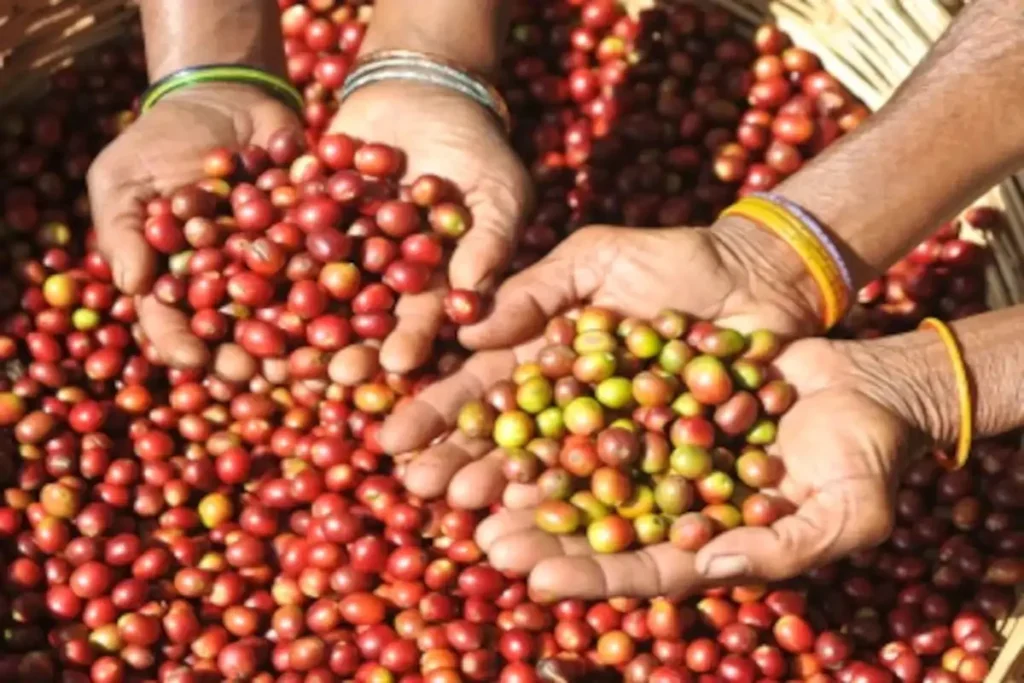
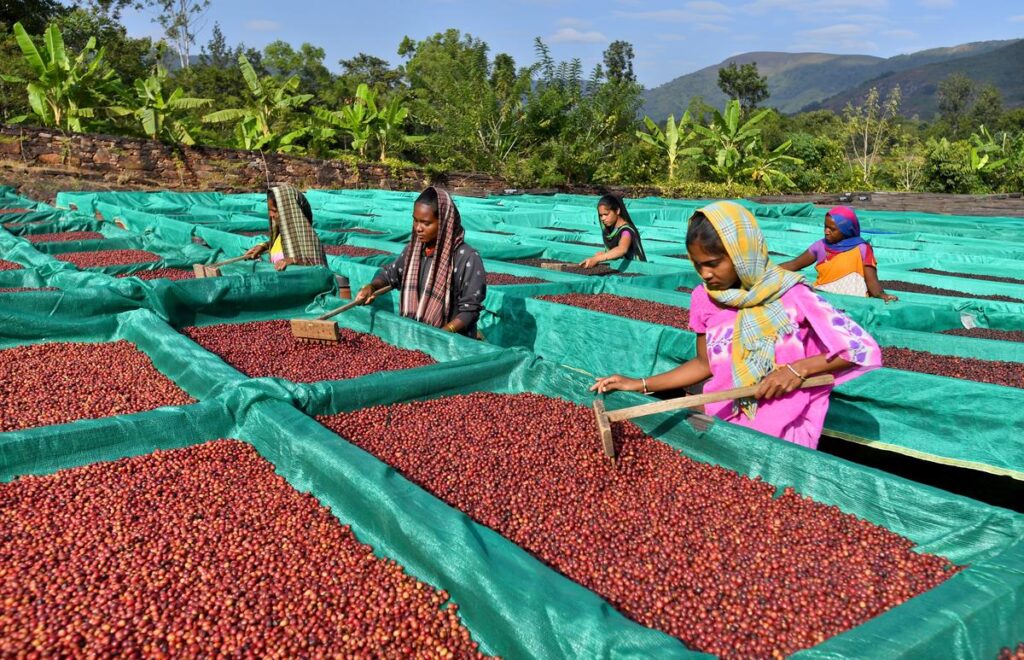
Coffee is also a social connector. Sharing a cup is a gesture of warmth, while harvest seasons bring collective effort and quiet celebration. The crop sustains livelihoods while strengthening ties to land and tradition, making coffee both an economic backbone and cultural symbol.
Tribal Communities and Everyday Traditions
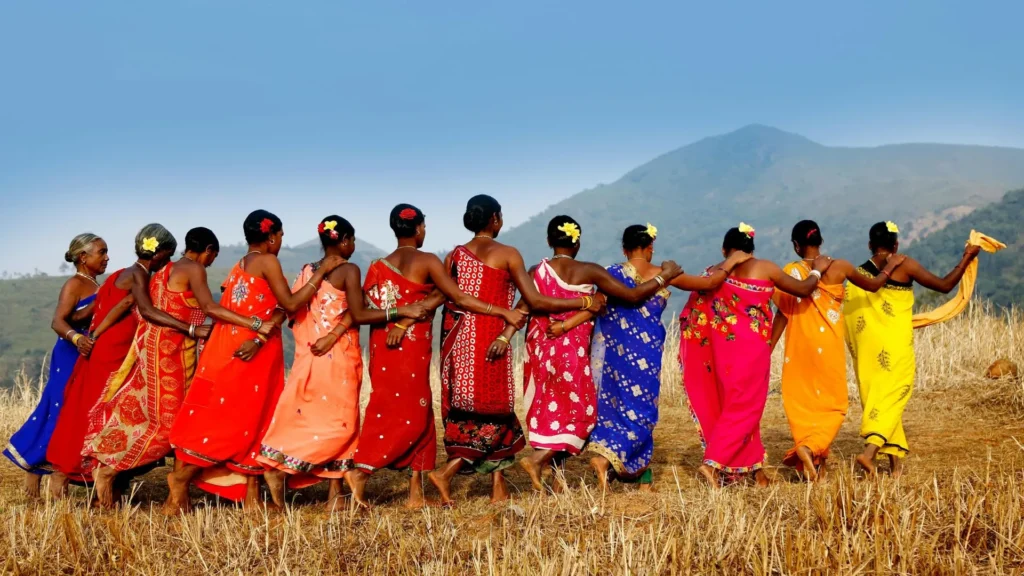
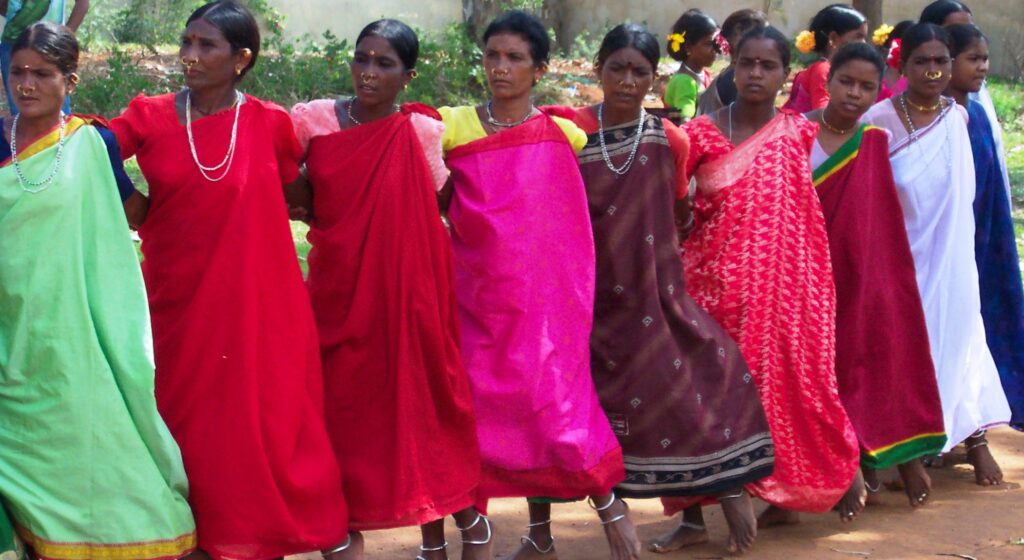
Araku is home to tribal communities whose traditions remain active, practical, and relevant. Daily life includes farming, gathering forest produce, crafting tools, and preserving oral histories passed through generations. These customs are not performances — they are lived experiences.
Festivals, songs, and dances mark seasonal cycles and life events. While modern influences are present, traditions adapt rather than disappear. Younger generations blend education and innovation with ancestral knowledge, ensuring cultural continuity without stagnation.
Silence, Space, and Simple Living
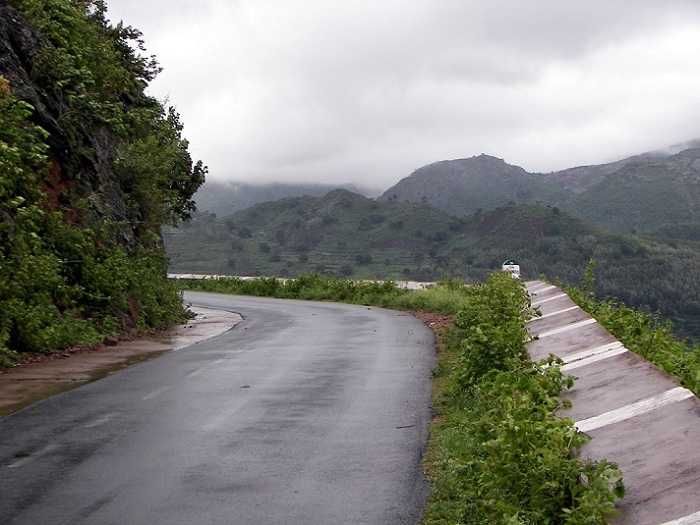
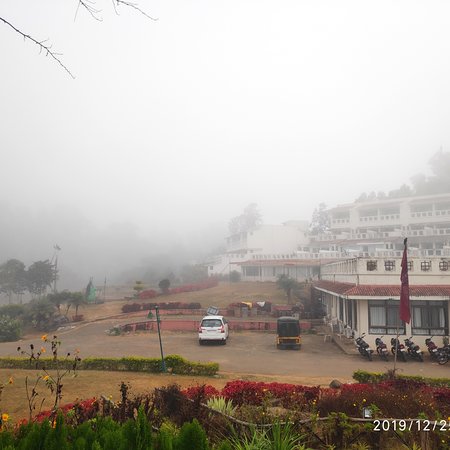
One of Araku’s most powerful qualities is its quiet openness. Silence here is layered with sound — wind through trees, distant voices, birds at dusk. This calm creates mental clarity and emotional ease.
Daily life follows the principle of simple, mindful living. Homes are functional, meals are seasonal, and consumption is thoughtful. Simplicity becomes strength, encouraging balance, community connection, and respect for nature. In Araku, slow living is not a trend — it is a way of life.
Pingback: Top 5 Superbikes in India – A Deep Dive into Power, Speed, and Riding Passion